
We make it easy to collect premium payments.
No confusion. No headaches. No more lost deals.
Hard working agents lose opportunities for one reason: collecting premiums seems too hard.
You got the meetings, did the presentations, and prepared to close the deal. Then it happens: someone from HR or payroll gets looped in. They see one more stack of paperwork to manage, one more form to oversee, and one more difficult invoice to reconcile. Then you get the news, “Sorry, but we don’t have a deduction slot available” or “Sorry, but we don’t want another invoice to deal with.”
And that new client with the recurring revenue for you goes away.
With Piedmont Payments, this is a thing of the past.
Get two options for collecting premiums.
OPTION #1
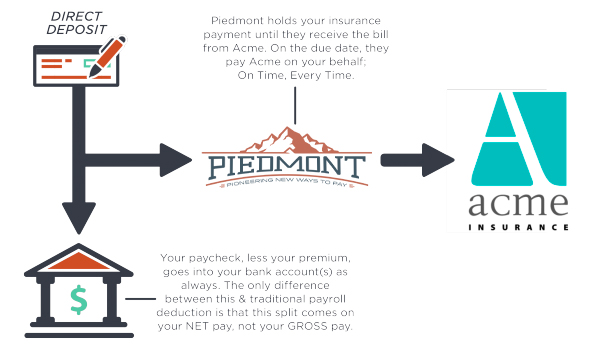
Direct Deposit Method (DDP)
A typical Direct Deposit paycheck is deposited each payday into an employee’s bank account(s).
A Typical Direct Deposit
Paycheck is deposited each payday into an employee’s bank account(s), like this:
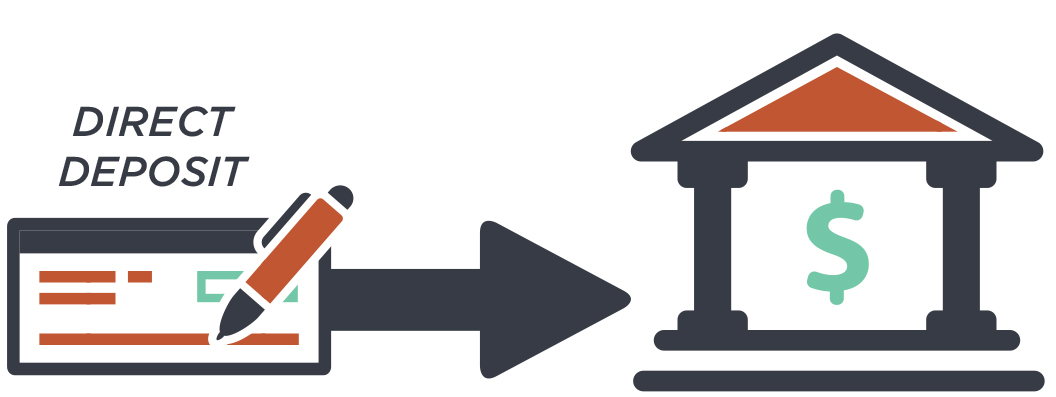
Piedmont Direct Deposit Method
OPTION #2
Electronic Funds Transfer (EFT) – Bank Draft/Credit Card/Debit Card Draft
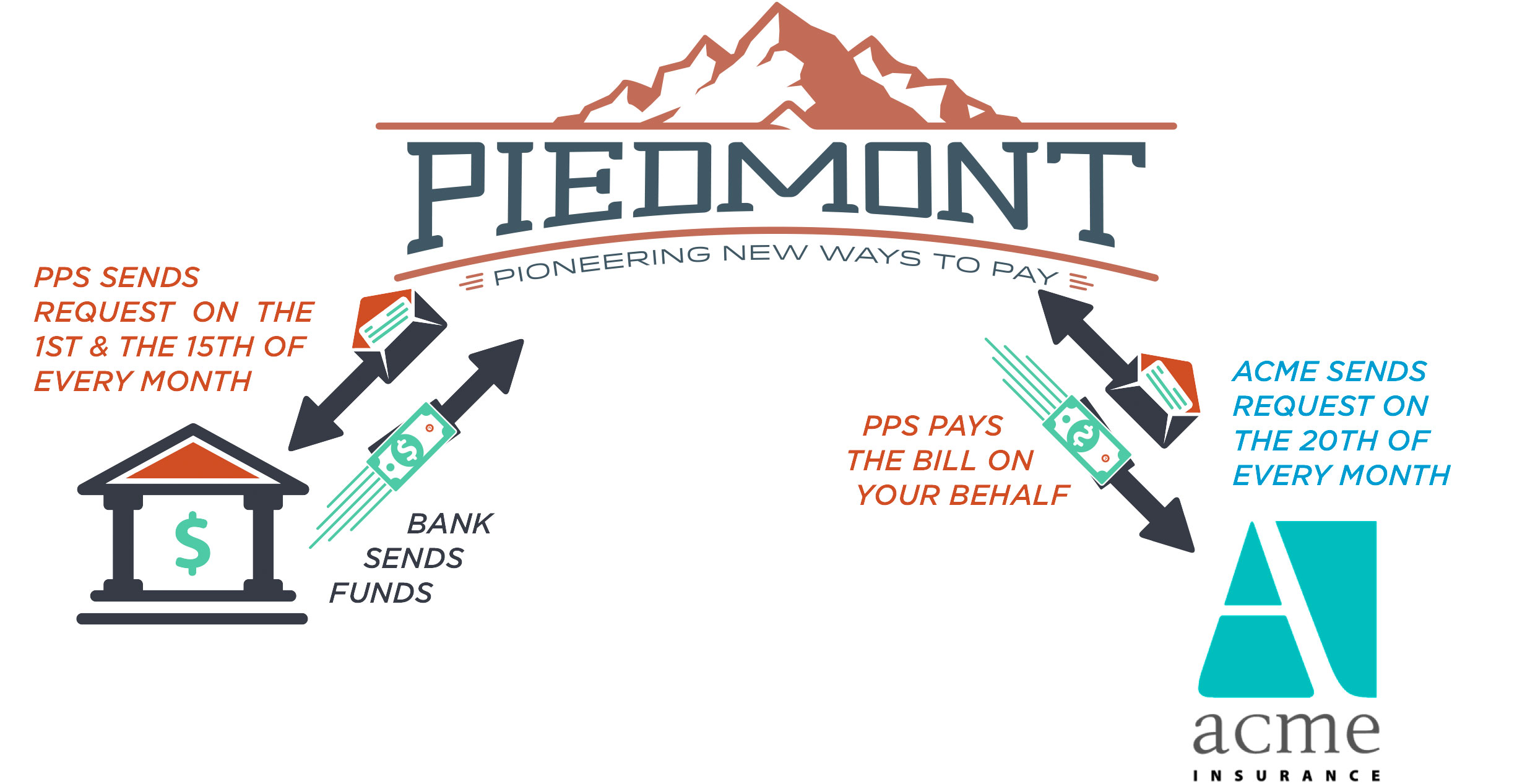
Typically, an insurance draft happens once a month on a specific day, which may not be convenient for the policyholder. Piedmont drafts on payday, not once a month.
This makes premium payments feel like payroll deductions.
A Traditional Bank Draft
The carrier (Acme Insurance Company in this example) electronically draws your policy premium from a bank account once per month.

The Piedmont Bank Draft Method
Piedmont (PPS) drafts the account on payday instead of once each month. This breaks the payments down to better fit your budget and pay schedule.
What makes Piedmont the better choice?
There is no employer involvement.
With Direct Deposit, each time payroll runs, the premium is automatically sent to the employee’s Piedmont Premium account. With EFT, each payday the premium is drafted directly from the employee’s bank account and placed in their Piedmont Premium account.
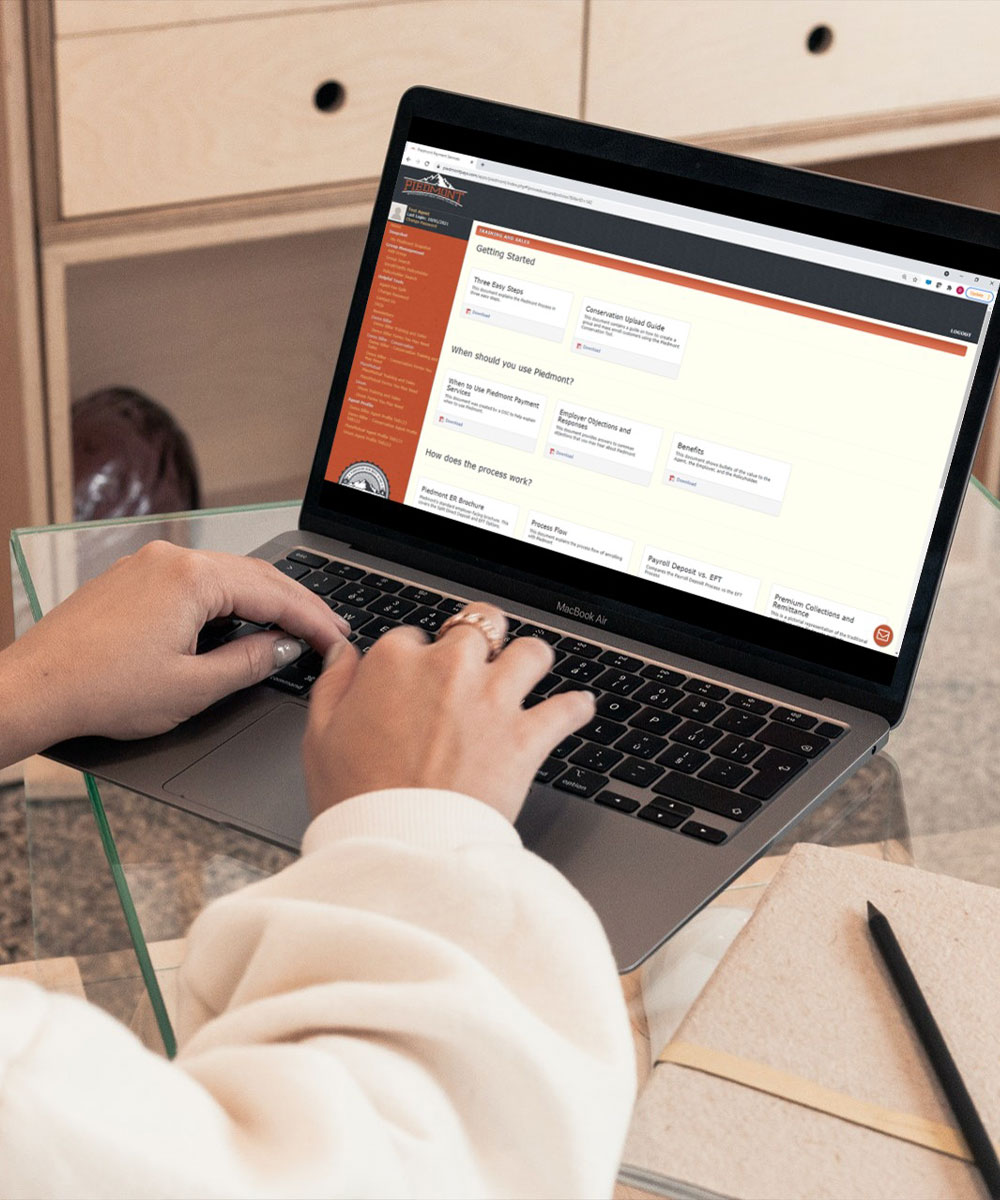
There is no bill and no reconciliation. We pay the bill.
Piedmont receives, reconciles, and pays the bill electronically on the due date. The employer no longer has to handle the premiums and never sees a bill.
What about pretax payments?
We’re often asked whether one can pretax these payments. Because a pretax solution requires a payroll deduction slot, nearly all Piedmont accounts are after-tax accounts.
Employers who do not wish to payroll deduct premiums are forfeiting pretax savings by default. Thus, a standard Piedmont account is an “after-tax” account.
